Understanding the Lung Transplant Process
The journey towards receiving a lung transplant is multifaceted, requiring not only medical consideration but also emotional and logistical preparation. For individuals suffering from severe lung disease, a transplant can be a life-changing procedure that offers a renewed chance at life. Understanding the complexities involved in the lung transplant process is essential for patients and their families. In this article, we aim to provide thorough insights into the stages of lung transplantation, candidacy requirements, and the necessary preparation. If you're seeking comprehensive information, you can learn about the lung transplant process in more detail.
What is a Lung Transplant?
A lung transplant is a surgical procedure that involves the replacement of a diseased lung or both lungs with healthy lungs from a donor. This procedure is generally considered for patients suffering from end-stage lung diseases such as Chronic Obstructive Pulmonary Disease (COPD), idiopathic pulmonary fibrosis, cystic fibrosis, or pulmonary hypertension. With advancements in medical technology and surgical practices, lung transplants have become increasingly common, offering hope to those with otherwise terminal conditions.
Who is a Candidate for Lung Transplantation?
Determining candidacy for lung transplantation involves a comprehensive evaluation process. Ideal candidates typically include:
- Individuals with end-stage lung disease who have exhausted other treatment options.
- Patients who are between the ages of 18 and 65, although exceptions may exist.
- People who are physically fit enough to undergo the surgery and handle the necessary rehabilitation.
- Individuals who have demonstrated good adherence to medical regimens and follow-ups.
- Patients who do not have other significant health problems that could complicate the transplant.
Key Stages of the Lung Transplant Process
The lung transplant process can be broadly categorized into several stages: evaluation, waiting, surgery, and post-operative care. Each step is critical in not only ensuring the success of the transplant but also preparing the patient for the challenges ahead.
Preparing for Your Lung Transplant Journey
Initial Assessment and Evaluation
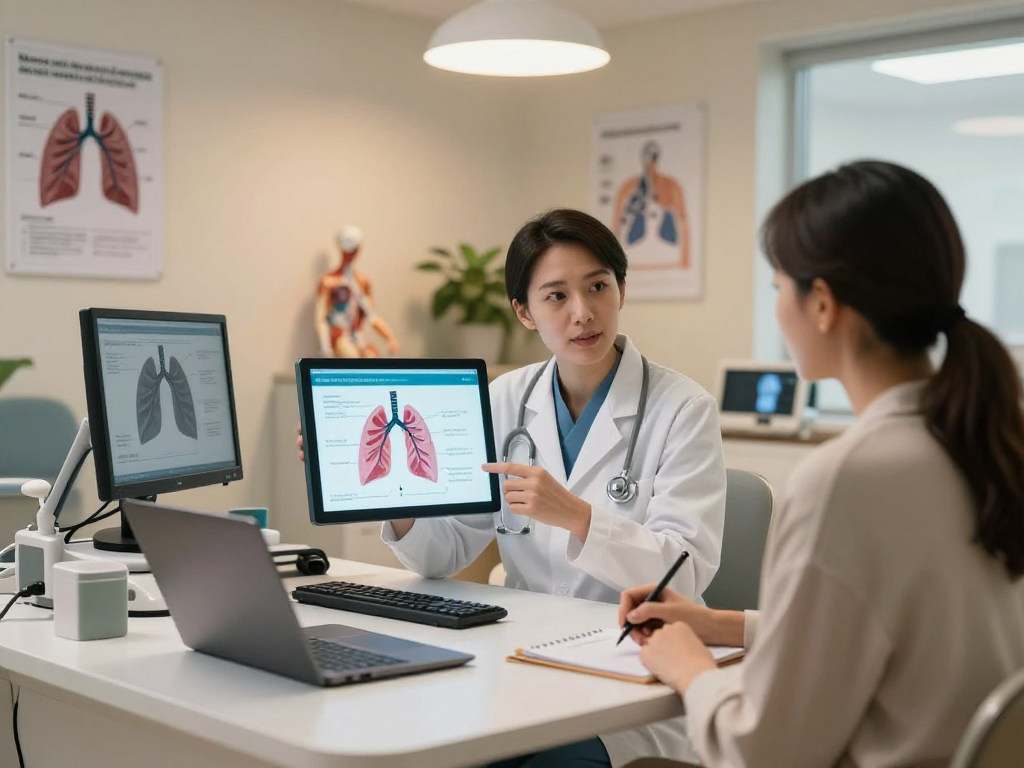
The initial phase of the lung transplant process begins with a thorough assessment by a multidisciplinary team, which typically includes pulmonologists, transplant surgeons, social workers, and nutritionists. This evaluation determines the severity of the lung condition and assesses overall health to ensure the patient is a suitable candidate for transplantation. Tests such as pulmonary function tests, imaging studies, and blood work are integral to this evaluation.
Pre-Transplant Care and Lifestyle Changes
Once a patient is approved for the transplant list, several lifestyle modifications are essential to enhance the chances of a successful outcome. These may include:
- Quitting smoking and avoiding secondhand smoke.
- Maintaining a healthy diet rich in fruits, vegetables, and lean proteins.
- Engaging in a regular exercise program as advised by healthcare providers.
- Participating in psychological counseling if needed to prepare mentally and emotionally.
Such changes not only improve general health but also establish a strong foundation for recovery post-transplant.
Understanding the Waiting List Process
Being placed on the waiting list for a lung transplant often presents a significant emotional challenge. Patients are prioritized based on medical urgency, compatibility with the donor, and other factors. This waiting period can vary greatly—from days to months— and requires close communication with the transplant team.
The Surgical Procedure Explained
What to Expect on Surgery Day
On the day of the surgery, patients should expect several pre-operative assessments, including blood tests and consultations with the surgical team. Anesthesia will be administered, and once the patient is unconscious, the surgeon will proceed to remove the diseased lung or lungs, followed by the implantation of the donor lungs. This lengthy procedure is typically performed under the supervision of a highly trained surgical team in a specialized operating room.
Post-Operative Care and Recovery
After surgery, patients are moved to an intensive care unit (ICU) for close monitoring. The expected recovery involves various stages:
- Immediate recovery in the ICU with monitoring for complications.
- Gradual transition to a standard hospital room as stability improves.
- Physical rehabilitation to regain strength and lung function.
Patients may spend several days to weeks in the hospital, dependent on their recovery progress and any complications that may arise.
Common Complications After Lung Transplant
While lung transplants can be life-saving, patients should be aware of potential complications, including:
- Rejection of the new lung by the immune system.
- Infections due to immunosuppressive medications.
- Post-surgical complications such as bleeding or respiratory issues.
Close follow-up with healthcare providers is crucial to managing and addressing any complications that may crop up during the recovery phase.
Long-Term Care and Management
Medications and Their Importance
Patients must adhere to a lifelong regimen of medications to prevent organ rejection and manage their overall health. Immunosuppressants are critical to prevent the immune system from targeting the new lungs. Understanding the correct dosages, potential side effects, and the importance of adherence is vital for the long-term success of the transplant.
Monitoring Health Post-Transplant
Regular follow-ups with healthcare teams are essential. Patients will undergo periodic tests to monitor lung function and check for any signs of rejection. This may include:
- Routine blood tests to assess medication levels.
- Pulmonary function tests to evaluate lung health.
- Imaging studies to identify any complications early.
Connecting with Support Networks
Emotional and social support can play a critical role in a patient's recovery journey. Connecting with support groups, both in-person and online, can provide much-needed encouragement and insight from others who have undergone similar experiences. Counseling services may also be beneficial to navigate the emotional challenges that frequently accompany a life-changing procedure like a lung transplant.
Future Trends in Lung Transplantation
Innovations in Surgical Techniques
As the field of lung transplantation continues to evolve, innovative surgical techniques are emerging that optimize the use of donor lungs. Techniques such as ex-vivo lung perfusion allow clinicians to assess and repair donor lungs that may have previously been deemed unsuitable. This advancement not only broadens the donor pool but also increases the success rate of transplants.
Advancements in Post-Transplant Care
Post-operative care is rapidly advancing with the integration of technology. Telemedicine is playing a significant role in providing ongoing support and monitoring, reducing the need for in-person visits and enabling patients to receive timely care from the comfort of their homes.
The Role of Technology in Lung Transplantation
Technological innovations are continually shaping the future of lung transplantation. From 3D printing of lung models to improve surgical planning to machine learning algorithms predicting donor-recipient compatibility, technology is enhancing both the surgical process and the post-operative care journey.
FAQs
What is the average wait time for a lung transplant?
The average wait time for a lung transplant can vary widely based on several factors, including geographic location, the patient's condition, and the availability of suitable donors. It is not uncommon for patients to wait from several months to over a year.
Can lifestyle changes really affect transplant success?
Yes, lifestyle changes can significantly impact transplant success. Patients who quit smoking, maintain a healthy weight, and engage in regular exercise are more likely to have positive outcomes post-transplant. These changes improve overall health and enhance the body’s ability to recover.
What happens if I experience complications after surgery?
If complications arise post-surgery, it is crucial to contact the healthcare team immediately. Early intervention can address issues such as infection, rejection, or respiratory difficulties, often leading to better outcomes.
How can I find support after my transplant?
Support can be found through local support groups, online forums, and counseling services designed specifically for transplant patients. These resources offer emotional guidance and practical advice from individuals who have undergone the transplant process.
What innovations are shaping the future of lung transplants?
Innovations such as improved donor lung preservation techniques, regenerative medicine, and personalized medicine approaches are at the forefront of transforming lung transplantation. These advancements promise to enhance not just the availability of donor organs but also the overall success and longevity of transplants.